Challenging DUI Blood & Breath Tests in Arizona: Effective Defense Strategies and Legal Rights
Challenging DUI blood and breath tests in Arizona is essential to defending against DUI charges. Many drivers misunderstand their rights or the potential errors in chemical testing. This article explains how to contest blood alcohol content (BAC) results, address breathalyser calibration and maintenance issues, and understand consequences and defenses related to refusing chemical tests under Arizona law.
How can you challenge the accuracy of DUI blood alcohol content tests in Arizona?
To challenge BAC accuracy, focus on factors that undermine reliability. Blood testing can be accurate, but contamination, mishandling, or methodological errors may yield incorrect results. Identifying specific flaws helps form an effective defense strategy.
What are common issues affecting blood test reliability in DUI cases?
Common issues that may affect blood-test reliability include:
- Contamination Risks: Samples can be contaminated during collection or storage, producing misleading readings.
- Sample Handling Errors: Improper labeling, storage temperature, or transport can compromise integrity.
- Testing Methodology: Different testing methods, reagents, or mis-calibrated equipment can introduce inaccuracies.
Documenting these problems supports challenges to test admissibility or weight.
How do procedural errors impact blood test evidence?
Procedural failures can weaken blood evidence. Key areas to review are:
- Chain of Custody Issues: Gaps or unclear documentation raise doubt about which sample was tested.
- Testing Protocol Violations: Departures from lab protocols or unapproved procedures can render results unreliable.
Demonstrating such lapses can justify motions to exclude or limit blood-test evidence.
What defense strategies address breathalyzer calibration errors in Arizona DUI cases?

Breathalyser readings depend on proper calibration, maintenance, and operator technique. Reviewing maintenance logs, calibration certificates, and operator training records is central to questioning breath-test validity.
How does breathalyzer device calibration affect test validity?
Calibration frequency and adherence to manufacturer guidance directly affect readings. A device that is overdue for calibration, incorrectly calibrated, or poorly maintained can return false high or low BAC numbers; those issues are commonly challenged in court.
What legal precedents support breathalyzer defense tactics?
Case law supports scrutiny of device records and expert analysis. Courts have recognized that:
- Calibration Records: Missing or incomplete calibration logs can undermine test reliability.
- Expert Testimony: Qualified experts may challenge device performance, procedure, or interpretation of results.
Using records and expert review allows defendants to question breathalyser evidence effectively.
What are your legal rights and consequences regarding DUI chemical test refusal in Arizona?
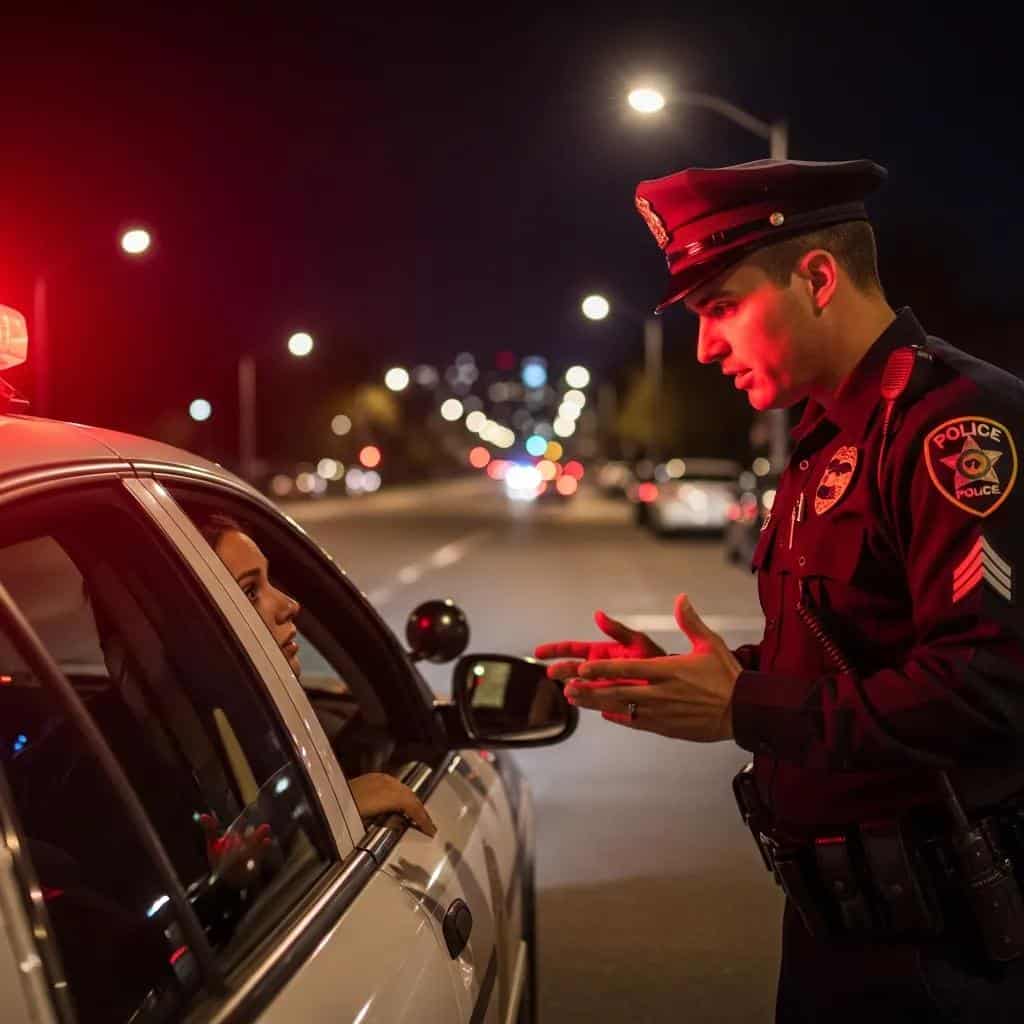
Arizona’s implied consent law requires drivers to submit to chemical testing when properly requested by an officer. Refusal carries administrative and possible criminal consequences, so understanding rights and penalties is important.
How does Arizona's implied consent law influence test refusal penalties?
Under implied consent, refusal to submit to a requested test can lead to:
- License Suspension: Administrative suspension of driving privileges for a set period.
- Increased Penalties: Refusal can result in enhanced consequences if later convicted of DUI.
Those outcomes make weighing options and consulting counsel critical at the time of arrest.
What defense options exist for clients who refused chemical testing?
Defenses after a refusal often focus on the stop and the officer’s conduct:
- Challenging the Lawfulness of the Stop: If the stop or request lacked legal basis, refusal-related penalties may be contested.
- Demonstrating Lack of Knowledge: If the driver was not properly informed of the consequences, that can be a defense avenue.
These approaches can limit or negate administrative or evidentiary consequences tied to a refusal.
How to schedule a consultation for DUI blood and breath test defense with García Law Group?
Scheduling a consultation is an important step after an arrest. García Law Group focuses on defending DUI cases by closely reviewing chemical-test procedures, records, and the circumstances of arrest to identify weaknesses in the prosecution’s evidence.
What to expect during a personalized DUI defense consultation?
In a consultation you should expect:
- Initial Assessment: A concise review of the arrest, citations, and any test records.
- Discussion of Defense Strategies: An outline of potential defenses tailored to the facts of the case.
The meeting clarifies options and the next steps for investigation or challenge.
How does García Law Group tailor defense strategies to individual cases?
García Law Group builds case-specific strategies by:
- Individual Case Analysis: Identifying unique factual or procedural issues in each file.
- Tailored Defense Plans: Developing targeted motions, expert reviews, or negotiations based on those issues.
This individualized approach aims to secure the best possible outcome for each client.
Frequently Asked Questions
What are the potential consequences of a DUI conviction in Arizona?
A conviction can result in fines, mandatory alcohol education, and possible jail time. First-time offenders face minimum jail terms in some cases, while repeat offenders face longer sentences. Conviction may also lead to license suspension, higher insurance rates, and a criminal record with lasting employment and housing impacts.
Can I challenge the results of a DUI blood test if I was not informed of my rights?
Yes. If officers failed to inform you of legal consequences or did not follow required procedures before obtaining a sample, that omission can be a basis to challenge admissibility of the results.
What role do expert witnesses play in DUI defense cases?
Experts evaluate device performance, lab procedures, and results interpretation. Their technical analysis can raise reasonable doubt or support motions to exclude or limit chemical-test evidence.
How can I prepare for my DUI defense consultation?
Bring all arrest-related documents—police reports, citations, and any testing records—and be ready to describe the arrest details and any prior history. Clear, complete information lets your attorney assess defenses quickly.
What should I do if I believe my breathalyzer test was inaccurate?
Tell your attorney about concerns such as poor calibration, device maintenance issues, or procedural errors. An attorney can obtain records and, if necessary, retain an expert to review device performance and testing procedures.
Are there alternatives to jail time for DUI offenders in Arizona?
Yes. Depending on the case and criminal history, alternatives such as probation, community service, treatment programs, or alcohol education may be available, particularly for first-time offenders.