
Arizona DUI Defense — Experienced & Strategic
If you’re facing felony or aggravated DUI charges in Arizona, it can feel overwhelming. This guide explains Arizona’s felony DUI rules, the possible penalties (fines, license suspensions, jail time), common defenses, and the court process so you can make informed decisions and seek the right legal help.
How Arizona’s Felony and Aggravated DUI Laws Work
Arizona treats certain DUI offenses as felonies when there are aggravating factors or multiple prior convictions. These charges carry severe penalties intended to deter dangerous driving and protect public safety.
When a DUI Becomes a Felony or Aggravated DUI in Arizona
A DUI can be charged as a felony in specific situations—for example, two or more prior DUI convictions within seven years—or when aggravating factors are present, such as driving on a suspended license for a prior DUI or having a minor in the vehicle.
Misdemeanor vs. Felony DUI: What Changes
Misdemeanor DUIs typically result in fines and shorter license suspensions. Felony DUIs carry larger fines, longer suspensions, possible imprisonment, and a lasting criminal record that can affect employment, housing, and other opportunities.
What Penalties Can You Face for Felony or Aggravated DUI in Arizona?
Penalties depend on the specific facts of your case. Knowing the likely outcomes helps you make better decisions when you’re charged.
Overview of Felony DUI Sentencing and License Suspensions in Arizona
Felony DUI sentences in Arizona can include:
- Imprisonment: Sentences may range from roughly four months to several years, depending on the circumstances.
- Fines: Convictions often include fines that can exceed $4,000, plus court fees and related costs.
- License Suspension: A felony DUI typically leads to at least a one-year license suspension, with longer suspensions for prior offenses.
These penalties reflect Arizona’s strict approach to repeat and serious DUI offenses.
Aggravated DUI Penalties: Greater Consequences and Legal Impact

Aggravated DUI carries harsher penalties than a standard felony DUI. Convictions can include:
- Longer Imprisonment: Sentences often run one to three years or more, depending on aggravating facts.
- Higher Fines: Fines in aggravated cases can exceed $10,000.
- Extended License Suspensions: Suspensions may last several years, limiting your ability to drive legally.
Because these penalties are more severe, obtaining experienced legal representation early is critical.
How an Aggravated DUI Defense Attorney Can Help in Arizona
An experienced aggravated DUI attorney can identify weaknesses in the prosecution’s case, challenge evidence, and work to reduce penalties or avoid the worst possible outcomes.
Common Defense Strategies for Felony DUI Charges
Typical defense approaches include:
- Challenging Evidence: Scrutinize breath and blood testing methods, machine accuracy, and the legality of traffic stops and arrests.
- Negotiating Plea Agreements: Pursue reduced charges or alternatives when it serves your interests.
- Presenting Mitigating Factors: Highlight medical issues, procedural errors, or personal circumstances to seek leniency or alternatives to incarceration.
These strategies protect your rights and can lead to reduced charges, lighter sentences, or other favorable outcomes.
Schedule a Consultation with Experienced Arizona DUI Lawyers
If you face felony or aggravated DUI charges, contact a qualified attorney right away. The García Law Group focuses on felony and aggravated DUI defense in Arizona and can advise you on the best next steps.
What to Expect in the Arizona DUI Court Process for Felony Charges
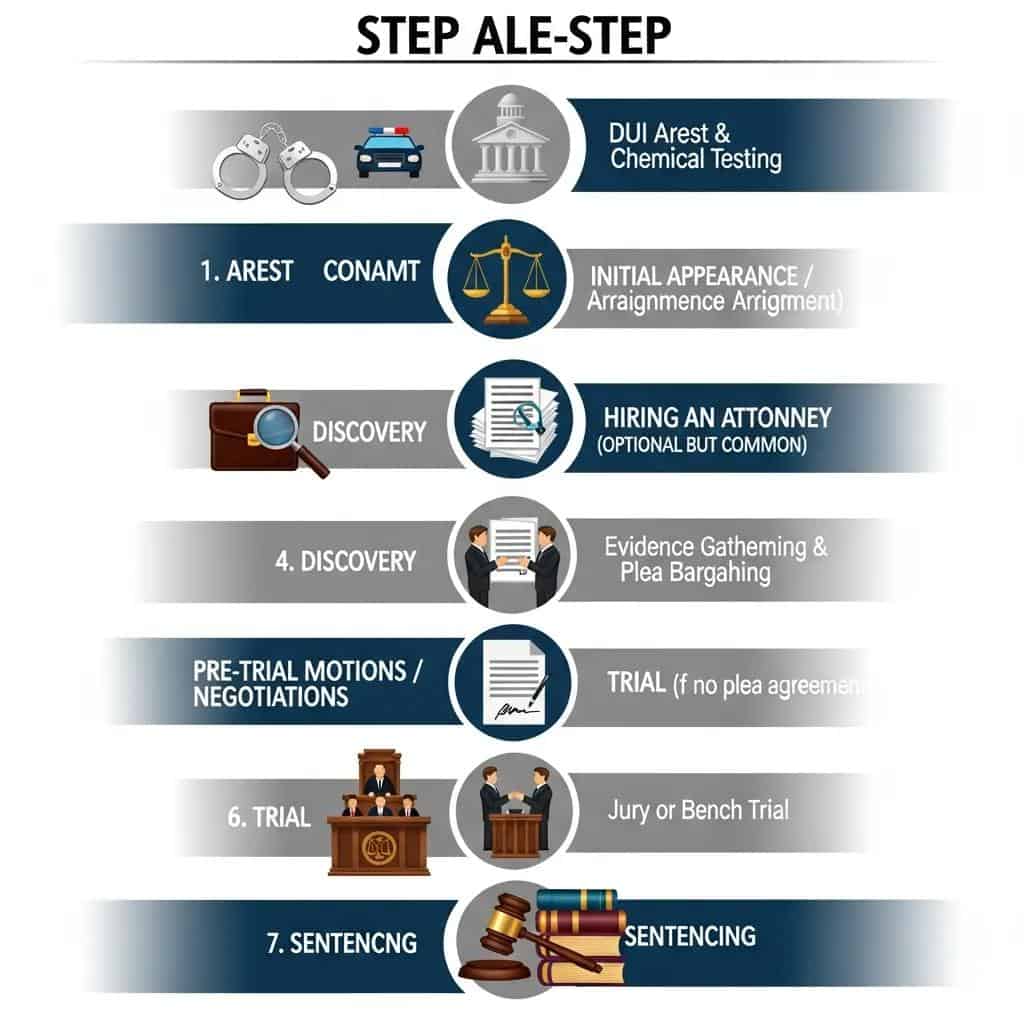
Understanding the court process helps you prepare, reduces uncertainty, and lets your attorney plan the right defense strategy.
Step-by-Step Overview of Arizona Felony DUI Proceedings
The process typically follows these steps:
- Initial Appearance: You appear before a judge, hear the charges, and may enter a plea.
- Pre-Trial Motions: Lawyers on both sides file motions to challenge evidence or resolve legal issues before trial.
- Trial: If the case isn’t resolved, both sides present evidence and argument to a judge or jury.
Knowing these stages helps you and your lawyer prepare for court and plan a defense strategy.
Common Questions About Post-Arrest Procedures and Your Rights
After a DUI arrest, it’s normal to have basic questions about your rights and next steps. Clear answers help protect your legal position.
- What are my rights during an arrest?: You have the right to remain silent and the right to an attorney; exercise both.
- What should I do after being arrested?: Contact a defense attorney as soon as possible and preserve any paperwork or evidence related to the arrest.
- How can I protect my rights?: Don’t make statements without counsel, document what happened if you can, and follow your attorney’s guidance.
Addressing these questions promptly improves your chances of a better outcome.
Frequently Asked Questions
What are the potential defenses against felony DUI charges in Arizona?
Defenses may include challenging the legality of the traffic stop, questioning the accuracy or handling of breath and blood tests, and showing you were not impaired while driving. Medical conditions that affect test results or violations of your constitutional rights during arrest can also be strong defenses. Every case is different, so consult an experienced attorney to determine the best options for your situation.
How can I reinstate my driver's license after a felony DUI conviction?
To reinstate your license, you must complete the terms of your sentence—jail or prison time, probation, fines, and any required programs. After satisfying those obligations, apply for reinstatement through the Arizona Department of Transportation (ADOT). You may need to show proof of completing alcohol education or treatment and pay a reinstatement fee. Check ADOT’s requirements for specifics tied to your case.
What is the difference between a felony DUI and a misdemeanor DUI in Arizona?
The main difference is severity. Felony DUIs involve aggravating factors—like multiple prior convictions or a child in the vehicle—and carry harsher penalties such as longer imprisonment, larger fines, and longer license suspensions. Misdemeanors typically bring lighter fines, shorter jail terms, and shorter suspensions.
What are the implications of a felony DUI on my insurance rates?
A felony DUI will likely increase your insurance premiums and may make it harder to find coverage. Insurers view felony DUIs as high risk; some providers may deny coverage. After a conviction, shop around and be prepared for higher costs or limited options.
Can I get a work permit after a felony DUI conviction in Arizona?
Possibly. Arizona may allow driving privileges for employment through a restricted or work permit, but approval requires an application and usually conditions set by the court or ADOT. You’ll need to show the driving is essential to your job and follow any restrictions. Consult your attorney about eligibility and the application process.
What should I expect during the DUI court process in Arizona?
Expect an initial court appearance, pre-trial motions and hearings, and potentially a trial if the case isn’t resolved. Throughout, both sides present evidence and legal arguments. Stay in close contact with your attorney so you understand each step and can participate in planning your defense.
What should I do immediately after being charged with a felony DUI in Arizona?
Contact an experienced DUI defense attorney immediately. Do not make statements to police or prosecutors without counsel, and gather any documents or evidence related to the arrest.
How does a felony DUI conviction affect employment opportunities?
A felony DUI can limit job prospects, endanger driving-related employment, and jeopardize professional licenses in some fields. It’s important to discuss these risks with counsel and explore mitigation or record-sealing options where available.
Can I appeal a felony DUI conviction in Arizona?
Yes. Appeals challenge legal errors made at trial. If you believe there were mistakes that affected the verdict or sentence, work with appellate counsel to meet filing deadlines and present valid grounds for review.
What are the long-term consequences of a felony DUI conviction?
Long-term effects can include a permanent criminal record that limits employment, housing, and education opportunities, along with higher insurance costs and restricted driving privileges.
Are there diversion programs available for felony DUI offenders in Arizona?
Some individuals may qualify for diversion or rehabilitation programs depending on the circumstances and eligibility rules. Discuss this option with your attorney to see if it applies to your case.
What role does a defense attorney play in a felony DUI case?
A defense attorney protects your rights, investigates and challenges evidence, files motions, negotiates with prosecutors, and fights for the best possible result on your behalf.
Conclusion
Felony and aggravated DUI charges in Arizona carry serious consequences. Knowing the penalties, common defenses, and the court process helps you make informed choices to protect your rights and future. If you or a loved one is facing these charges, reach out to a qualified attorney—like the team at García Law Group—for personalized advice and a clear plan of action. Taking prompt steps today gives you the best chance for a strong defense.